
Before a pilgrim enters Makkah, before they see the Kaaba, and before starting Tawaf or Sa'i, there is something called Ihram. It is the first step of every Umrah and Hajj. It is the moment a believer leaves everyday life behind and focuses on being pure, thoughtful, and spiritually ready. Many people notice the white clothes men wear, but Ihram is more than just clothing. It is a sacred way of thinking, a fresh start for the soul, and a reminder that all people are equal in the eyes of Allah.
So, whether it is your first Umrah or a lifelong dream of Hajj, knowing what is Ihram makes the journey easier, calmer, and more meaningful. It helps guide your actions, shape your heart, and prepare your soul for worship. From what the Ihram is in Islam to the rules you must follow, this guide explains everything clearly.
The word Ihram comes from Arabic and means to make something holy or special. In Islam, Ihram means entering a state in which everyday life pauses and the heart focuses solely on Allah.
Firstly, many people think the Ihram is just the white cloth men wear, but that is only one part of it. The real Ihram is inside the heart. It is your intention, your purity, and your promise to follow specific rules during Umrah or Hajj. The white cloth is only a symbol. True Ihram begins when you say the Talbiyah and make your niyyah.
Moreover, the state of Ihram is the official start of Umrah and Hajj. It is a time to leave behind comfort, status, and routine. For a short while, everyone is equal, whether rich or poor, young or old. Ihram teaches humility and unity and reminds us of the Day of Judgment when only sincerity matters.
Lastly, Ihram means having the right intention, saying the Talbiyah, and entering a special sacred state with rules. When these happen, your pilgrimage officially starts, and your heart, mind, and body are ready for worship.
Ihram is the special state you enter for both Umrah and Hajj. However, how and when you enter Ihram depends on which pilgrimage you are performing.

Firstly, you can perform Umrah any time of the year, so the same applies to Umrah Ihram. Pilgrims usually make their intention before reaching the Miqat, either at the airport, on the plane as they get close, or at a special Miqat station. After entering the Ihram, the focus is on three main steps: Tawaf, Sa'i, and trimming or shaving the hair. These are also part of the essential rituals of Umrah.Umrah is shorter and can be done in a few hours, so the time spent in Ihram is usually brief.
However, Ihram for Hajj follows a set schedule. Pilgrims enter it on the 8th of Dhul Hijjah, called Yawm al-Tarwiyah, and stay in it while performing several essential rituals. These include going to Arafat, Muzdalifah, Mina, and taking part in the days of sacrifice and stoning. Hajj takes several days, so pilgrims stay in Ihram longer and need more patience during the journey.
Ultimately, the rules, restrictions, and mindset of Ihram are the same for both Umrah and Hajj. The main differences are:
For men, wearing the Ihram is one of the most special parts of starting Umrah or Hajj. The white sheets may look easy, but knowing how to wear them correctly can make your journey much more comfortable.
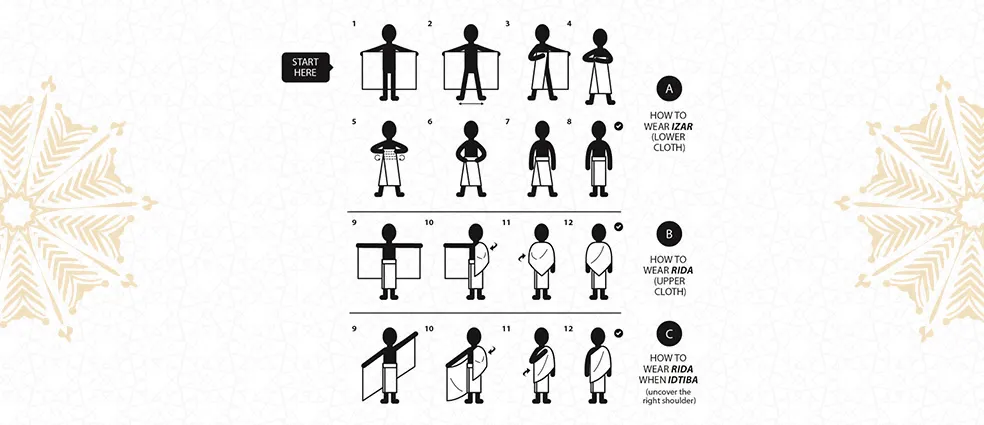
Men's Ihram has two plain white sheets.
Both pieces show equality. They have no stitching, labels, or cuts. They are plain and straightforward.
For women, entering the Ihram is very simple. Unlike men, women do not need a specific fabric or colour. Ihram for women is more about intention, modesty, and adherence to particular rules than about wearing a special outfit.
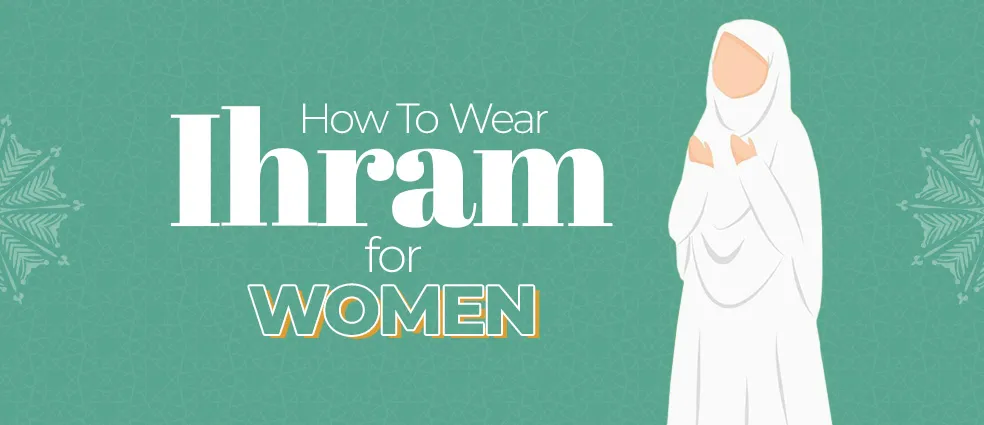
Women can wear any modest, loose clothing that adequately covers the body. A plain abaya is the most common choice. It does not have to be white. Any simple colour is fine. Also, clothes should not have perfume, strong smells, or decorations and should not be tight. Shoes should be regular, comfortable, and covered.
For women, Ihram starts with intention, not clothing. After taking a shower and preparing, a woman makes her Niyyah for Umrah or Hajj at the Miqat and then recites the Talbiyah. From that moment, she is officially in Ihram and must follow the rules.
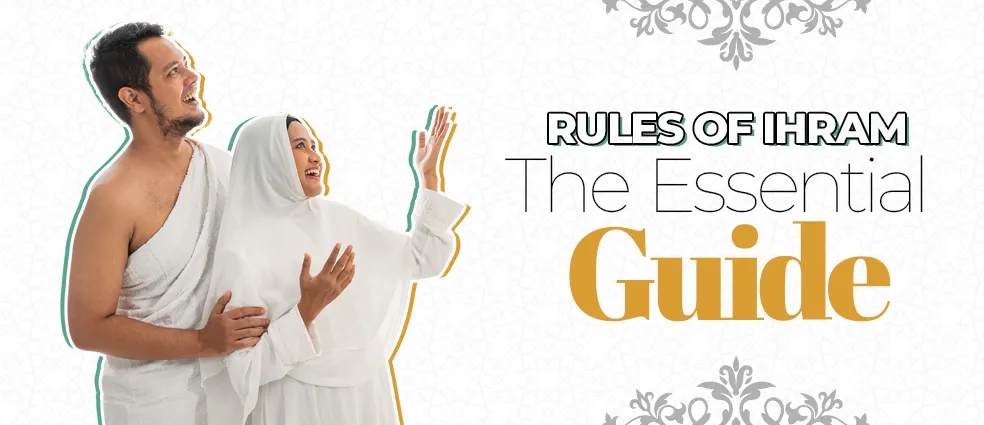
Once a pilgrim enters the sacred state of Ihram, everything changes. The Ihram rules are not meant to make the journey difficult. Instead, they help you stay focused, humble, and spiritually present. Think of Ihram as a protective shield that guards your worship from distractions. To honour this special state, every pilgrim must follow specific guidelines. Below are the essential rules of Ihram.
Entering the Ihram is a very special promise to Allah. It is a time to be careful, aware, and in control of yourself. The rules are simple, but some actions can break Ihram. Breaking the rules usually does not cancel your pilgrimage, but it may require a penalty. So, every pilgrim should know these rules to avoid mistakes during Umrah or Hajj.
Firstly, the most serious rule is that you must not have sexual relations with your spouse during Ihram. This also includes touching with desire or sexual talk. Doing this breaks the Ihram completely and requires a significant penalty.
These actions break the rules but do not end the Ihram. They require giving a sacrifice.
Ihram teaches kindness to all creatures. So, killing, hunting, or helping to hunt animals breaks the rules and needs a penalty. The only exceptions are if the animal is dangerous or harmful.
Moreover, being angry, fighting, insulting, or arguing does not break Ihram completely; instead, it goes against its spirit. Ihram is about peace, humility, and self-control. So, these behaviours should be avoided.
When people talk about Ihram during Umrah and Hajj, it can be hard to hear the word Takbiratul Ihram. Even though the names sound similar, they are not the same. Takbiratul Ihram is part of daily prayer and has nothing to do with the clothes or rules of pilgrimage. It is said at the start of every prayer.
Takbiratul Ihram means saying "Allahu Akbar" at the beginning of a prayer. Saying this tells your mind to set aside everyday thoughts and focus on worship. It is a moment of spiritual focus, like the feeling of preparing yourself when entering Ihram for Hajj or Umrah.
Choosing the proper Ihram clothing is not just about picking white cloth. It is about being comfortable and ready for long hours of walking, standing, and praying at the holy sites.
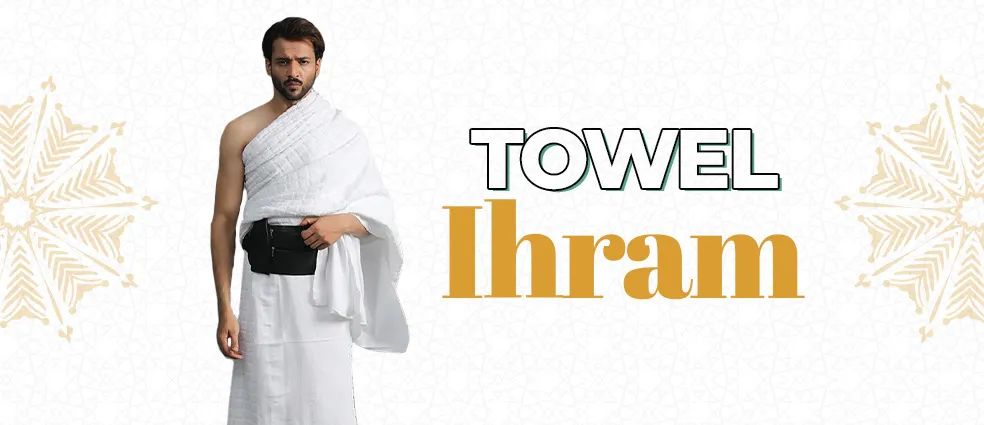
Firstly, the towel is soft, firm, and easy to use. Its texture helps it stay wrapped around the body without slipping. It is suitable for hot weather and helps keep you cool on long days.
Moreover, tube Ihram is a simple, modern option. It is like a stretchy tube of cloth that you slip on. It stays in place and requires no constant adjustment. Beginners like it because it is easy to wear.

Lastly, bamboo Ihram is light, soft, and eco-friendly. It keeps you dry by absorbing sweat and feels gentle on the skin.

Wearing the Ihram is not only about following rules. It also helps make your pilgrimage easier for your body and mind. With a few simple tips, you can make your experience smooth, calm, and even enjoyable.
First, pick an Ihram made from a soft, breathable material. Lightweight cotton or bamboo works well. These fabrics let air flow, reduce sweating, and keep you fresh during long walks and rituals.
Small things like an Ihram belt, safety pins, or a small bag for essentials can make moving around easier. A belt keeps your lower sheet in place, pins stop slipping, and a small pouch can hold your phone, ID, or travel papers, so you do not lose them.
Moreover, open sandals or slippers made for Ihram are essential. Comfortable shoes stop blisters and keep your feet cool.
Always carry water and drink often. Walking long distances in the sun can make you very tired. So, drinking water keeps your energy up and helps you focus on worship.
Lastly, if it is your first pilgrimage, practice wearing Ihram at home or take a short walk with it. This gives you confidence, stops mistakes, and makes the real pilgrimage less stressful.
Every journey in Ihram has a clear start and finish. Tahallul marks the end of the Ihram rules, and pilgrims return to their everyday lives while retaining the spiritual lessons they have learned. Knowing the steps beforehand makes it easier and more meaningful.
For Umrah, Ihram ends after finishing the main rituals. After cutting the hair, the pilgrim is free from the restrictions of Ihram. Men can wear regular clothes, women can wear everyday attire, and the focus moves to gratitude and reflection.
Hajj is more detailed, and Tahallul happens in stages. Some rituals, such as throwing stones at the Jamaraat, standing at Arafat, and performing Tawaf Al-Ifadah, mark the gradual release from Ihram. Pilgrims cut or shave their hair at the correct times, which marks leaving the sacred state. With each step, the restrictions end, but the spiritual lessons stay.
Leaving Ihram does not mean forgetting the humility, patience, and mindfulness learned during the pilgrimage. Pilgrims are encouraged to keep these lessons in daily life. Tahallul marks the end of one spiritual stage and the start of living these lessons every day.
Ihram is not just clothes. It is a special state of mind and a way to get ready for Umrah or Hajj. Wearing the Ihram can help you grow spiritually. It teaches you to be humble, patient, and united with others. The journey does not have to be hard. With Makkah Travel, you can focus on your worship while we handle all the planning, guidance, and support for a smooth, meaningful pilgrimage.
Start your sacred journey with confidence and let Makkah Travel help you at every step. Book your Umrah package today and begin your spiritual journey with ease and devotion.
Many pilgrims make mistakes in Ihram without realising it. They sometimes wear stitched clothes, forget to take off their socks, or put on perfume after starting Ihram. So, being calm, prepared, and careful can help prevent these common mistakes.
Yes, children can wear Ihram for both Umrah and Hajj. Boys usually wear small white sheets, and girls wear loose, modest clothing. Parents help them understand and follow the basic rules in a simple way that suits their age.
You should put on the Ihram just before you reach the Miqat. For most people, this is a few hours or up to one day before reaching Makkah, depending on the travel route.
Yes, there are rules for footwear while in Ihram. Men should wear sandals, slippers, or open-toe shoes that do not cover the ankles or the top of the foot. Women can wear any comfortable closed shoes because there are no special rules for them.
 SVG.svg)
Makkah Travel is here to help you visit religious places.

 Arrow SVG.svg)
 SVG.svg)