
Maqam Ibrahim is a well-known and deeply respected place inside Masjid al-Haram in Makkah. It is the stone that Prophet Ibrahim (peace be upon him) stood on while building the Kaaba.
Today, Maqam Ibrahim sits a short distance away from the Kaaba. It is kept in a clear glass cover to protect it. Every pilgrim who performs Umrah or Hajj walks past it after finishing Tawaf. People stop here to pray two rak'ahs, as the Prophet Muhammad did. This prayer is connected to this exact place, which makes Maqam Ibrahim different from most other spots in the world.
Many people feel very calm here. Some finish their prayers quickly, while others linger and sit quietly for a few minutes. Even though the area is always busy, Maqam Ibrahim feels like a short pause inside the crowd. It often becomes one of the moments pilgrims remember most from their Umrah, not because it is large or fancy, but because of what it represents.
Long before Makkah became a city, Allah chose Prophet Ibrahim (peace be upon him) to build the Kaaba. At that time, the Kaaba did not exist in its current form. It was Ibrahim and his son Ismail (peace be upon him) who were given the responsibility to build it as the first house of worship for Allah.
As the walls grew taller, Ibrahim needed help reaching the upper parts. A stone was placed for him to stand on. By Allah's will, the stone supported him as he worked. He would step onto it, put the rocks, and continue building. This stone later became known as Maqam Ibrahim, which means the place where Ibrahim stood.
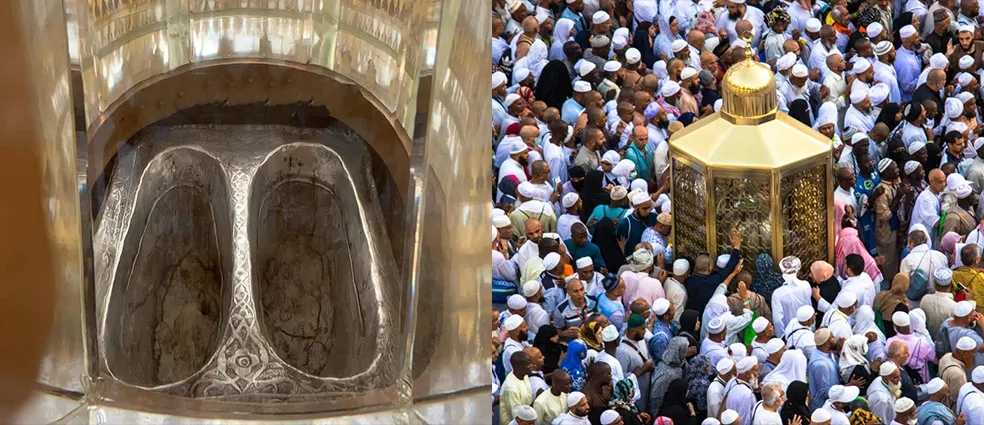
The stone became slightly soft under his feet. Because of this, the marks of his feet stayed on it. Over many years, people touched the stone, and the marks slowly faded, but the footprints' shapes can still be seen today.
When the Kaaba was completed, Ibrahim stood near this same stone and called people to come and worship Allah at this sacred place.
As the number of visitors grew over the centuries, Muslims took care of the stone. Different rulers placed coverings and protective cases around it to keep it safe. Today, Maqam Ibrahim still stands inside Masjid al-Haram, quietly reminding every pilgrim of obedience, effort, and trust in Allah.
Every pilgrim who comes to Makkah walks past it, even if they do not realise how important it truly is. This place is closely connected to the life of Prophet Ibrahim (peace be upon him) and the building of the Kaaba. It also holds a special place in Islamic worship because Allah Himself mentions it in the Quran.
Prophet Ibrahim followed Allah's commands even when they were difficult. He left his family in the desert and travelled long distances only to please Allah. He obeyed Allah without hesitation. Maqam Ibrahim reminds Muslims of this way of life. It shows that genuine faith means putting Allah first in every situation. When pilgrims see this stone, they remember that Islam is not only about words. It is about actions, patience, and trust in Allah's plans.
The Quran clearly mentions Maqam Ibrahim. He tells believers to take it as a place of prayer. This command alone makes Maqam Ibrahim different from all other places in the world. Because of this Quranic command, Maqam Ibrahim became part of the Umrah and Hajj journey. It is not optional; Allah Himself chose to include it in worship.
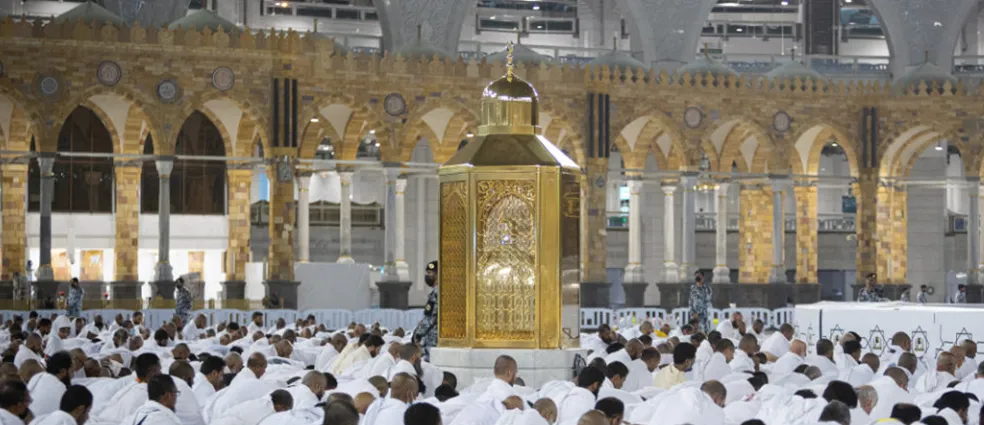
After completing Tawaf, Prophet Muhammad ﷺ would stand behind Maqam Ibrahim and offer two rak'ahs. This became a Sunnah that Muslims follow to this day. Every pilgrim who performs Umrah or Hajj tries to pray near this place. Even when the area is crowded, people pray behind it as closely as they can. It is one of the moments in the pilgrimage where many people feel deeply connected to their faith.
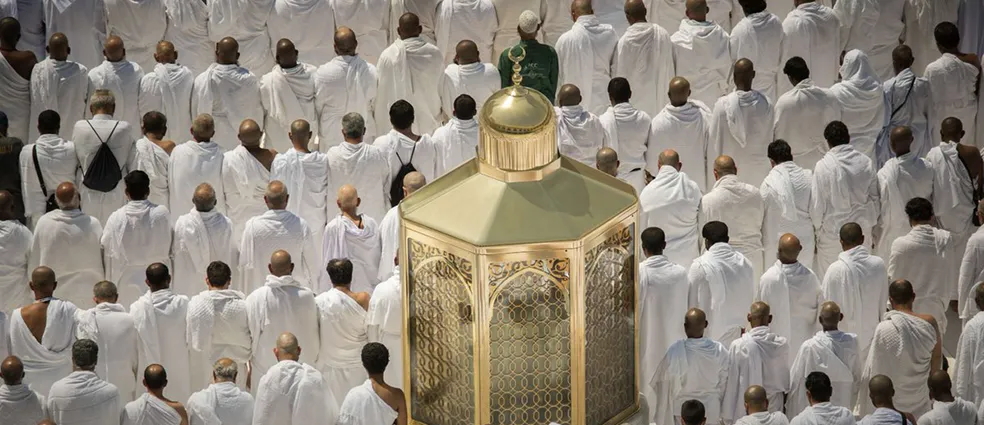
Many of the Prophet's (PBUH) companions used to pray near Maqam Ibrahim and seek Allah's forgiveness. Because of this, Muslims believe this place is blessed. Pilgrims often make personal duas here. They pray for their families, their health, their future, and their hereafter. Some people stand quietly, tears in their eyes, because they feel very close to Allah in this moment.
Maqam Ibrahim connects today's Muslims to the very beginning of Islam. It reminds people that worship at the Kaaba did not start recently. It began with Prophet Ibrahim thousands of years ago. Standing here helps pilgrims understand that they are part of a very long chain of believers. It gives a strong feeling of belonging, faith, and purpose.
Maqam Ibrahim is not only about history. It teaches lessons that can be used in daily life. It reminds us to:
People leave this place feeling calmer and more hopeful.
Maqam Ibrahim is located a few meters in front of the Kaaba's door. It stands slightly to the side, facing Safa and Marwa. You will notice a small glass-and-gold dome on a short marble base. Inside this clear dome is the stone with the footprints of Prophet Ibrahim. You do not need to search for it. It is clearly visible during Tawaf, as people naturally slow down and look toward it.
Maqam Ibrahim is covered in a clear glass casing with gold details. Inside, you can see the stone safely protected. The stone is not very large. It is about the size of a small stool. On its surface, the faint marks of Prophet Ibrahim's feet can still be seen. This casing protects the stone from damage while allowing pilgrims to see it.
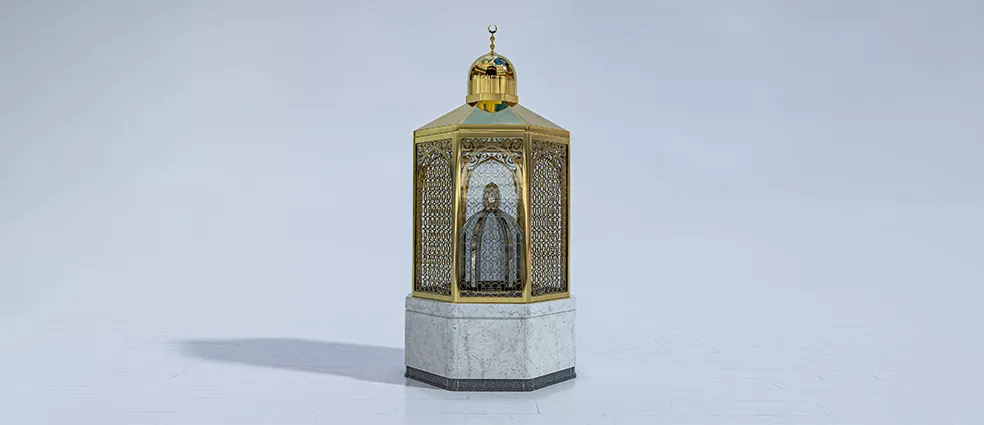
In the early days, Maqam Ibrahim was placed very close to the Kaaba. At that time, fewer people came to Makkah. As more Muslims started coming for Umrah and Hajj, the area became bustling and crowded. It became hard for people to walk around the Kaaba. Because the area became crowded, leaders moved Maqam Ibrahim slightly farther from the Kaaba, keeping it within the Mataf area. This made it easier for people to walk during Tawaf and helped keep everyone safe.
No. You are not allowed to touch the stone directly. It is protected inside a glass cover.
Moreover, touching is not required in Islam. Standing behind it and praying is what matters most. Many people look at it, make dua, and continue walking calmly.
The best time to view Maqam Ibrahim is:
At these times, the Mataf area is less crowded, and you can easily see the stone and pray peacefully.
Maqam Ibrahim is not only a historical stone. It is an essential part of your Umrah and Hajj worship.
After you complete seven rounds of Tawaf around the Kaaba, you do not leave the area immediately. You will notice that many people slowly move toward the open space behind the glass casing of Maqam Ibrahim. This area is kept clear so people can pray safely without stopping the flow of Tawaf. During this time, pilgrims recite the dua for all seven rounds of Tawaf to follow the Sunnah correctly.
The Quran commands Muslims to take Maqam Ibrahim as a place of prayer. After Tawaf, you offer two rak'ahs in this area to show obedience, gratitude, and remembrance. You pray exactly like a normal two-rak'ah salah.
You can pray for:
Many people cry at this moment because they feel very close to Allah.
Sometimes the area near Maqam Ibrahim becomes bustling. In these moments, you are allowed to move slightly away and pray wherever you find space behind the Maqam. Islam does not want you to push, hurt, or disturb others for this prayer. Allah accepts your prayer even if you are a little farther back. Your intention matters more than your exact position.
There is no required time limit. Some people finish in a few minutes. Others stay longer, making dua quietly. Take your time if space allows. This is one of the most calm and meaningful parts of Umrah and Hajj.
You do not need long Arabic duas if you do not know them. Simple words said with honesty are enough. Here is how you can make the most of this moment.
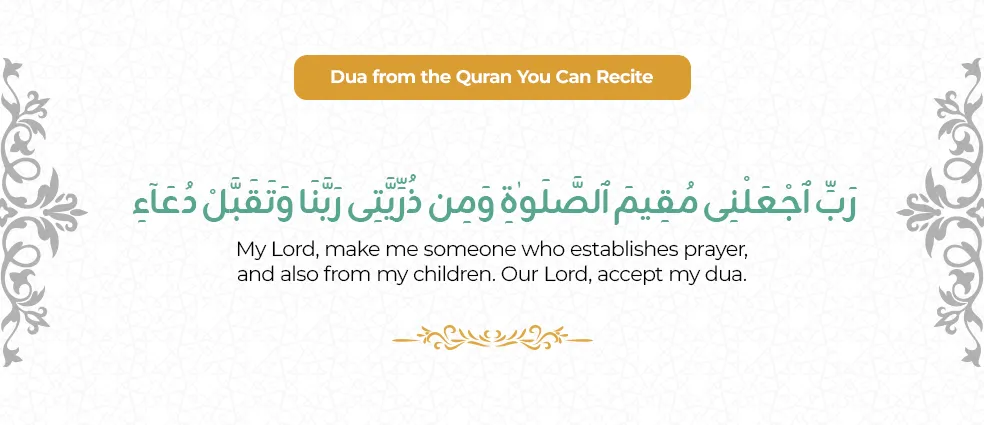
One beautiful dua is:
"Rabbi-j'alni muqima-s-salati wa min dhurriyati, rabbana wa taqabbal du'a."
(My Lord, make me someone who establishes prayer, and also from my children. Our Lord, accept my dua.)
You can also recite:
"Rabbana taqabbal minna innaka anta-s-sami'ul 'alim."
(Our Lord, accept from us. You are the All-Hearing, the All-Knowing.)
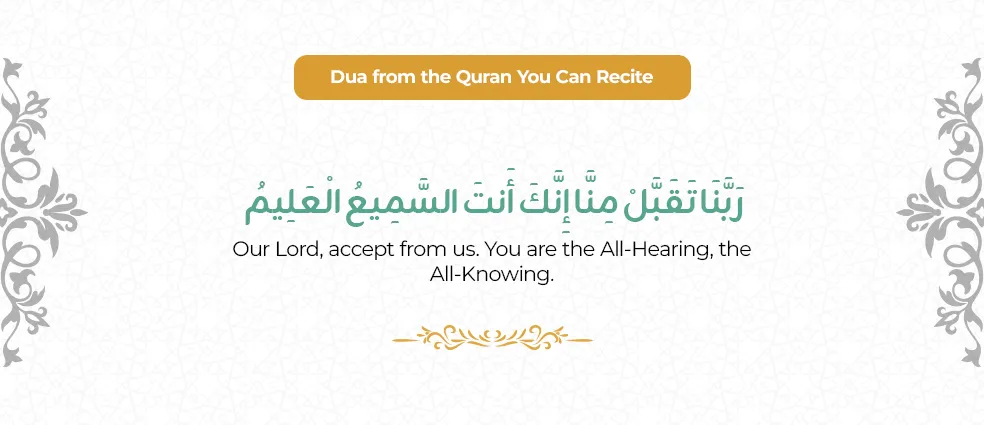
These duas were said by Prophet Ibrahim while building the Kaaba. Saying them here feels very special.
This is your personal moment with Allah. You can ask for anything that matters to you.
You may ask for:
Speak slowly. Speak honestly. Allah hears even silent duas.
You may say:
"O Allah, protect my family, guide them, forgive them, and keep us together in goodness."
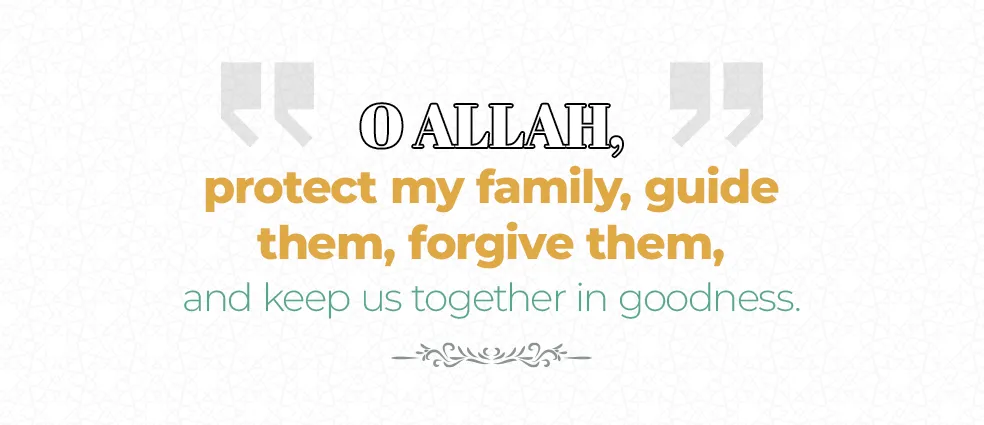
This is a beautiful place to pray for your family because Prophet Ibrahim himself prayed for his family here.
The area around Maqam Ibrahim is always busy. People are finishing Tawaf, trying to pray, and many are standing quietly in prayer. When you walk here, do not rush. Walk slowly. Take small steps. Look ahead and be aware of the people around you. Moving calmly keeps everyone safe and helps you stay relaxed. When you rush, you can push other people, and they can also push you back. Calm movement keeps the place peaceful and helps your heart stay focused on worship.
Many first-time pilgrims feel nervous here because the crowd feels close. This is normal. Just remember that there is no race. You will not miss your reward if you move slowly. Allah looks at your intention, not your speed.
You do not need to stand right next to the glass casing for your prayer to be accepted. Many people think being closer brings greater rewards, but this is not true. Allah accepts prayers from every place behind Maqam Ibrahim. Pushing forward only causes stress and can hurt others. If the space is full, stop a little farther back and pray calmly there. Your prayer is still completely valid.
Being patient here makes your worship more peaceful and protects everyone around you.
Maqam Ibrahim is a quiet place of prayer. Many people are talking to Allah in their hearts. Because of this, your voice should always stay soft. Avoid loud talking, laughing, or calling out to friends. Loud voices disturb people who are praying and break their focus.
If you need to speak, speak softly. Quiet behaviour shows respect for the place and for the people worshipping around you.
This area is not a place for long selfies or videos. Standing in front of the Maqam for photos blocks people who are waiting to pray. It also changes the mood of the place from worship to photography. If you really need to take a picture, do it quickly and move away so others can worship.
Your prayer is far more valuable than any photo.
You will see older adults, women, and children trying to find space to pray. Be gentle with them. Give them room. If someone looks confused or tired, guide them softly. Helping others here is also an act of worship. Allah loves kindness, especially in His sacred places.
Small kindnesses make the environment calmer and more comfortable for everyone.
The stone is protected inside glass to keep it safe. Touching it does not bring an extra reward. It can cause damage and also create danger in crowded movement. People show respect here by praying, staying patient, and behaving well. They do not need to touch anything.
Looking at Maqam Ibrahim and praying behind it is enough.
When you finish your two rak'ahs and your dua, move gently away so others can also pray. If the area is crowded, do not sit there for long. Many people are waiting for their turn. Share the space fairly. This keeps the area peaceful and safe.
Many people believe that their prayer will only be accepted if they stand very close to the glass casing. This is not true. Allah accepts your prayer anywhere behind Maqam Ibrahim. Standing farther back is completely fine. Pushing forward only causes crowding, stress, and sometimes harm to others. Islam teaches calmness and kindness, not rushing.
When you understand this, your heart feels lighter, and your worship becomes easier.
Some people push forward because they feel anxious or afraid they will miss their chance. But trying can cause discomfort for older adults, women, and children. It also erodes the place's peaceful feeling. There is always space somewhere behind the Maqam. Walk slowly, wait patiently, and pray where you find room.
Another common mistake is standing in front of Maqam Ibrahim for photos and videos. This blocks others who are trying to pray. This place is for worship, not content creation. Take pictures only if needed, and move aside quickly.
Some pilgrims rush their two rak'ahs because they feel pressured by the crowd. But this prayer is meant to be calm and meaningful. Try to slow your breathing, recite softly, and make a sincere dua. Even a short, calm prayer is better than a fast, distracted one.
Maqam Ibrahim is not just a stone in Masjid al-Haram. When you stand here, you are standing in the footsteps of Prophet Ibrahim. You are standing where the Prophet Muhammad ﷺ prayed. You are standing at a place chosen by Allah Himself.
It is a place that reminds you to trust Allah, stay patient, care for your family, and keep your worship sincere. Long after your Umrah or Hajj ends, this moment remains in your heart.
Yes, you can. You do not need to stand close to the stone. You may pray from any place that is behind Maqam Ibrahim as long as you are facing the Kaaba. Many times, the area near the Maqam is crowded, so people pray farther back. This is completely fine, and your prayer is still correct and accepted.
Sometimes the Mataf area becomes very full, and you may not be able to see Maqam Ibrahim clearly. This is not a problem. You can still pray your two rak'ahs as long as you are standing somewhere behind its location and facing the Kaaba. Allah does not require you to see the stone for your prayer to be valid.
Yes, women are allowed to pray behind Maqam Ibrahim just like men. There is no difference. Women can find a calm and safe space behind the Maqam and pray their two rak'ahs. Many women also sit nearby to make dua after their prayer.
It is not a sin if you forget. This prayer is a Sunnah, which means it is highly recommended but not compulsory. If you miss it, you may later pray your two rak'ahs anywhere inside Masjid al-Haram. Allah still rewards you for your Umrah even if you missed this prayer.
Yes, you can make dua in any language you are comfortable with. Allah understands every language and every feeling in your heart. You do not need to use long Arabic duas if you do not know them. Simple words spoken honestly are more than enough.
Yes, children may also pray behind Maqam Ibrahim if space allows. Parents often bring their children to pray here so they can learn about this special place and feel connected to their faith from a young age.
You do not need to touch the stone. Touching it can damage it and cause problems for the crowd. The correct way to respect Maqam Ibrahim is to pray behind it and remember Prophet Ibrahim, not to touch the stone.
No, your Umrah is still valid even if you do not pray these two rak'ahs. However, it is an essential Sunnah and brings great reward. That is why most pilgrims try their best to pray it.
Yes, you may wait until the area becomes less crowded. You can also move farther back and pray from a calmer place. Islam always teaches safety, patience, and kindness. Do not push or hurt anyone to reach the front.
Allah mentions Maqam Ibrahim in the Quran and commands Muslims to use it as a place of prayer. It is also the stone where Prophet Ibrahim stood while building the Kaaba. This makes it one of the most honoured places in Islam.
 SVG.svg)
Makkah Travel is here to help you visit religious places.

 Arrow SVG.svg)
 SVG.svg)